


Preventing an Undercover Video Crisis at Your Farm, Part 2
Joan Sinclair Petzen, Farm Business Management
Northwest New York Dairy, Livestock & Field Crops
March 23, 2016
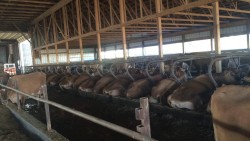
A farm can take a few steps to prevent the risk of an undercover video being published about them. By "doing the right thing," a lot can be accomplished toward prevention. At the recent Animal Care Dairy Industry Crisis Drill here in New York, Beth Meyer from American Dairy Association and Dairy Council shared their "Anticipate. Prepare. Protect." Workbook. The booklet details how to do the right thing:
- Set high animal care standards for yourself and your employees.
- Ensure your farm exceeds expectations for animal care, cleanliness, and environmental responsibility.
- Set codes of conduct for animal handling and care and train every worker to follow them.
- Adopt a zero-tolerance policy regarding animal mistreatment or abuse.
- Be vigilant and be on the lookout for any signs of animal abuse.
- Require employees to report any signs of abuse immediately.
- Become familiar with undercover video laws in your state.
Employees who handle animals are an important part of your business. Before hiring, thoroughly screen candidates. Agriculture Attorney David Cook states "It is legal to ask a potential employee if he/she is a member of or if they support an animal rights organization. Ask during the interview or on the employment application." You might also ask prospective employees if they are living in transient housing, how long they have been in the area, and what their experience is working in agriculture. Be sure to contact references and do background checks.
Once hired, require employees to sign a non-disclosure and confidentiality agreement. "The agreement should include a clause for liquidated damages for taking or distributing photographs or video," according to Cook. Use a probationary period of one to three months and watch them closely. Include animal care practices and proper care for all animals in your employee agreement and have each employee sign it.
Training is another key. Pair new hires with trusted experienced employees to learn the best practices for animal care employed by your farm. The National FARM Program offers a number of training videos on their website. Use these short videos to kick start a discussion of proper animal handling practices in different situations at your employee meetings. Reviewing proper care on a regular basis and employee safety in different aspects of the business are part of a solid employee training program that can prevent animal abuse and protect employees and your business.
"Anticipate. Prepare. Protect" is part of the "Telling Your Story" training program. Copies are available from by contacting Beth Meyer at ADA/DC: BMeyer@adadc.com. You will find more information about these tips and worksheets to help you prevent an undercover attack on your farm's animal care practices.
Dairy
Livestock
Grazing

Forages
Grains
Upcoming Events
TENTATIVE- 2026 Dairy Feeder School - November 2026
November 11 - November 12, 2026
Dates are TENTATIVE for 2026! More Details to Come!
Join the Regional Dairy Specialists for a one day on-farm training for dairy farm feeders. The training will be offered in English and Spanish and will feature stations with hands-on activities and demonstrations.
Dairy Winter Webinar Series 2027
January 12, 2027
January 19, 2027
January 26, 2027
February 2, 2027
February 9, 2027
February 16, 2027
February 23, 2027
Register for our free upcoming 2027 dairy winter webinar series: LINK TO COME
2027 Corn Congress

January 13, 2027
Henrietta, NY
Vendor Registration - 11/9/26
Participant Registration - 11/16/26
Announcements
Follow us on Instagram
See photos and reels of our most recent events and programs!Join us on Facebook!
Follow us on Facebook to get up to date posts about events, workshops and everything NWNY!Add us on LinkedIn!
Connect with us on LinkedIn to get more information about upcoming workshops and programs!